

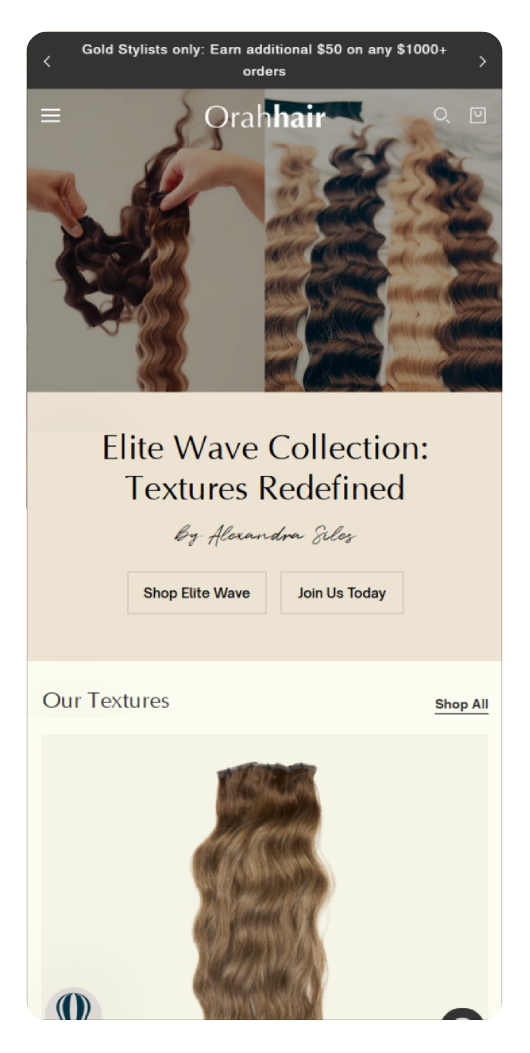
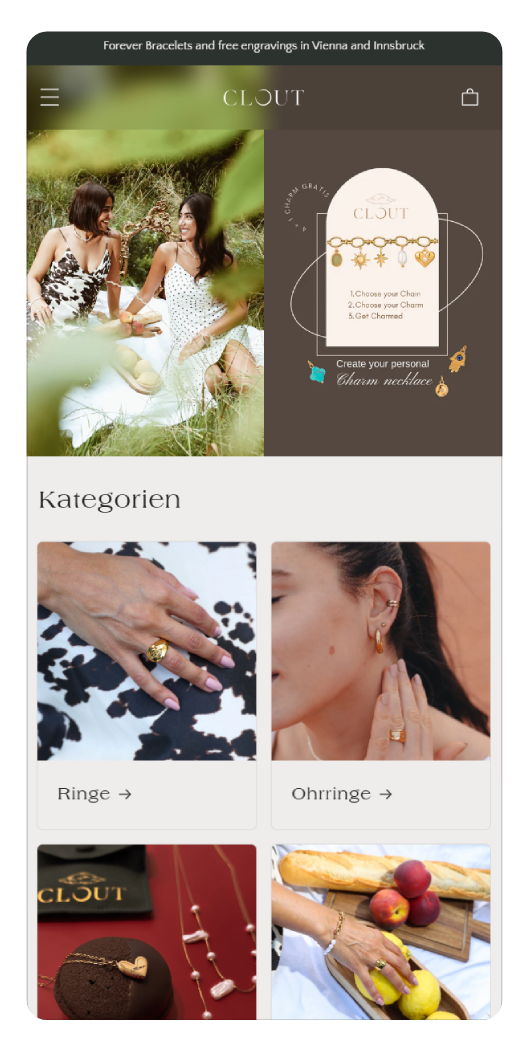
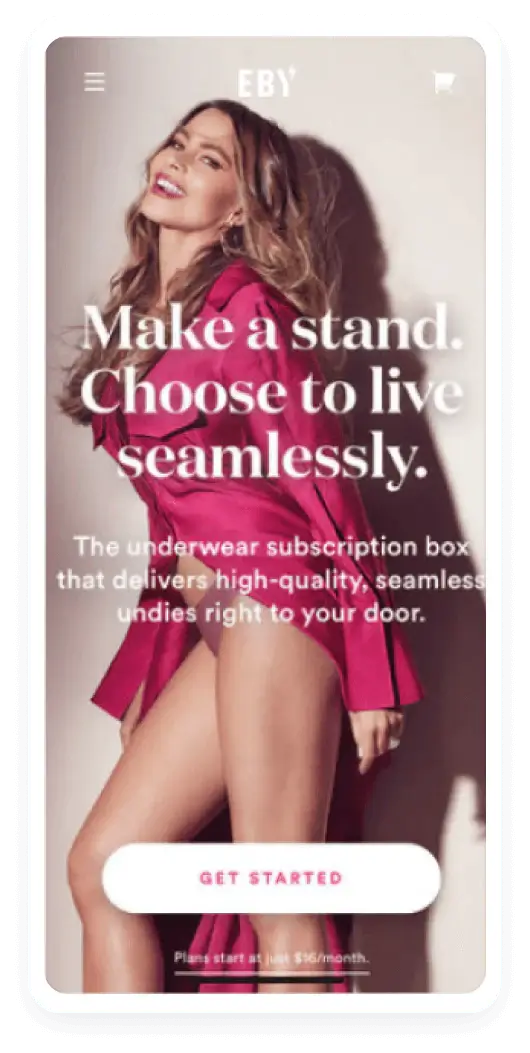


How to Choose the Perfect Shopify Theme for Your Business in 2026
Choosing the right Shopify theme in 2026 is no longer just about visual design — it directly affects brand perception, loading speed, conversion rates, and customer experience. With more consumers shopping across mobile, AI-powered personalization tools, and visual-first marketing, your theme choice can significantly influence sales outcomes.
Below is a complete guide to help you pick the perfect theme for your business.
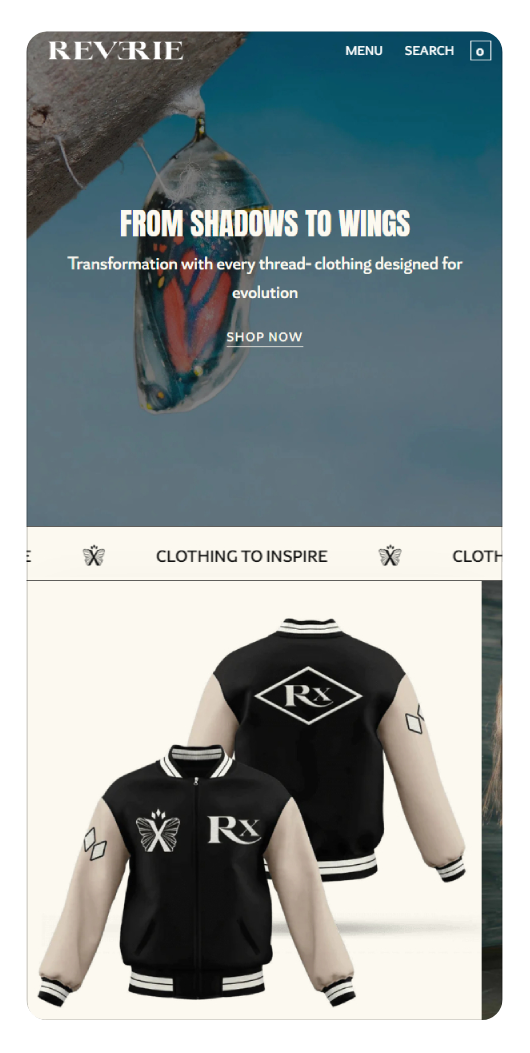
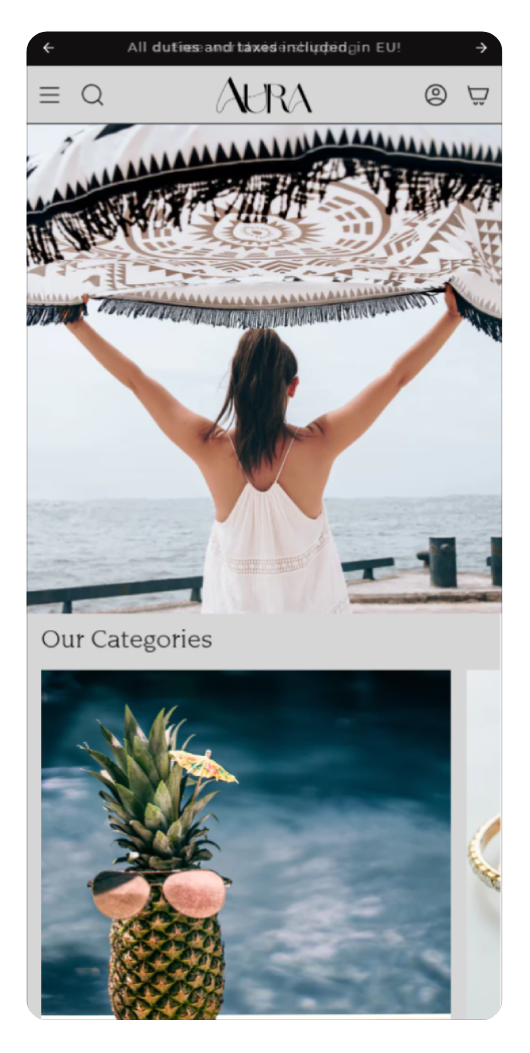
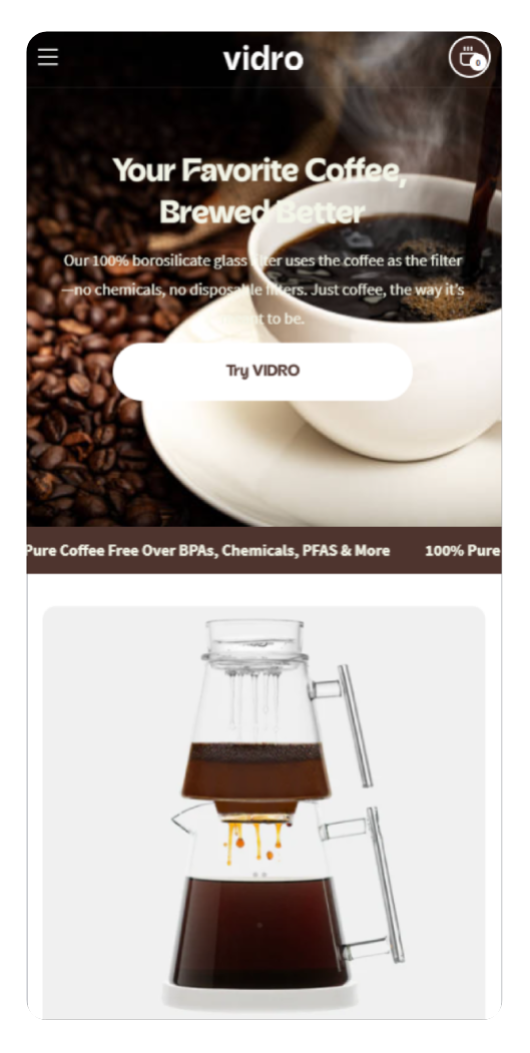
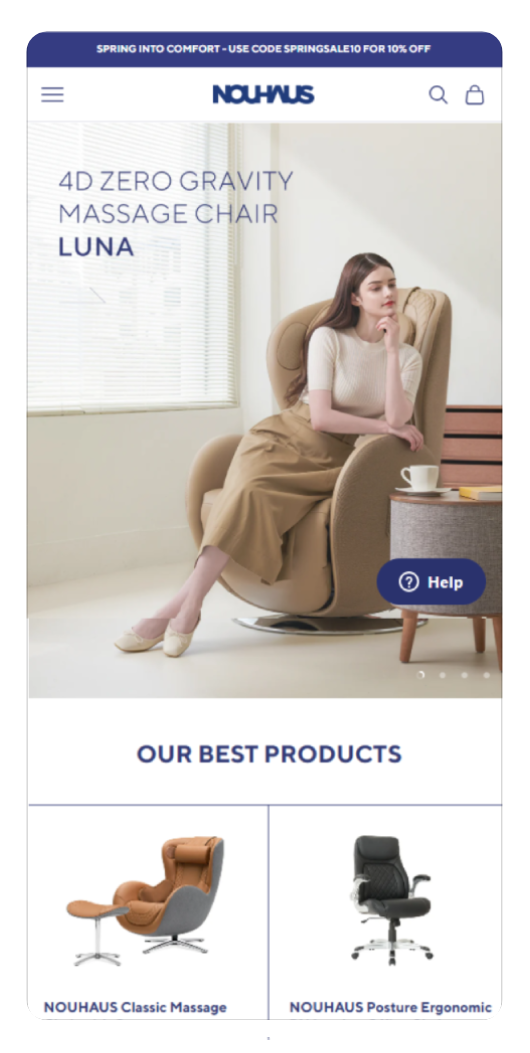
1. Align with Your Brand Identity
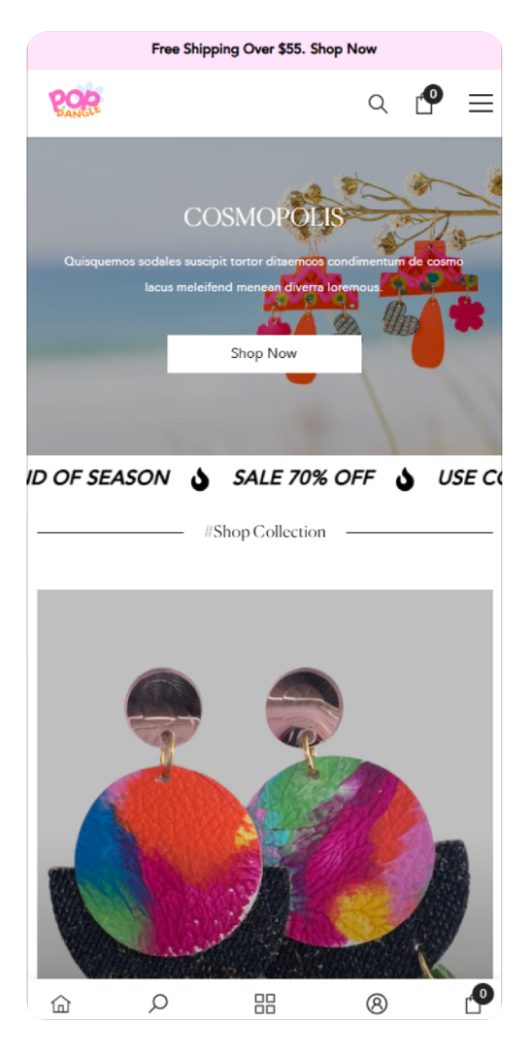
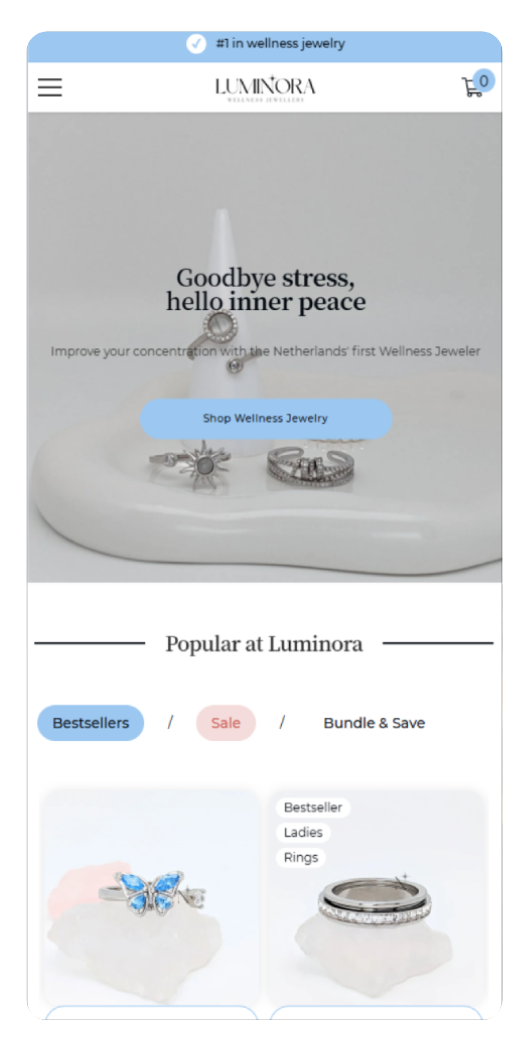
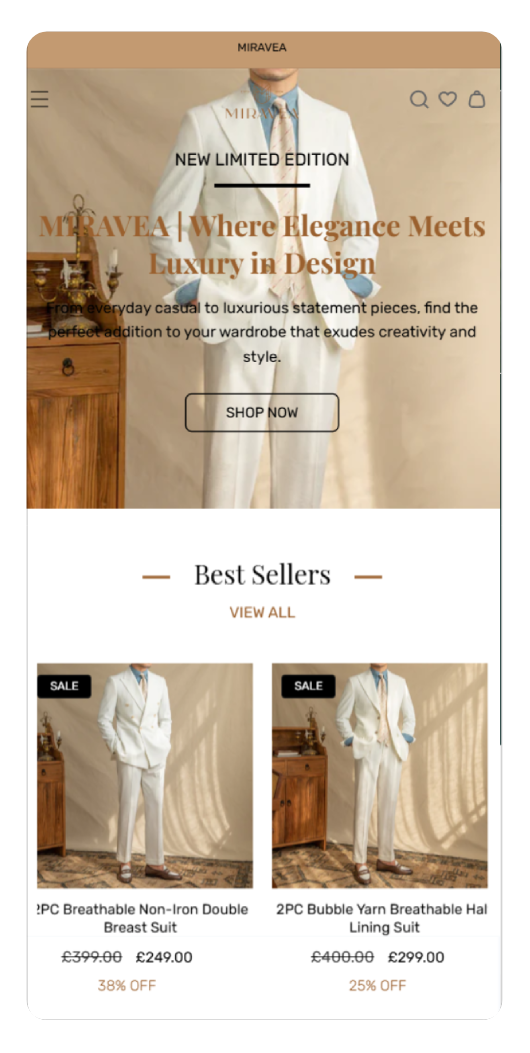
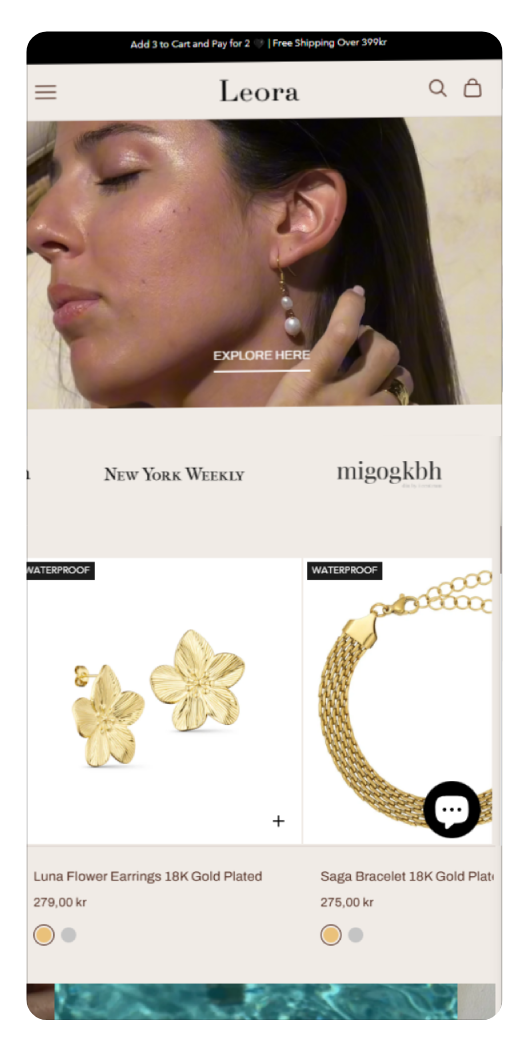
Your Shopify theme should reflect the personality of your business. Consider:
✔ Color style (minimal vs bold)
✔ Typography (playful vs professional)
✔ Visual density (clean vs product-heavy)
✔ Industry fit (fashion, tech, beauty, etc.)
Pro Tip: Shopify now includes 2026-ready theme categories for niches like DTC, subscription products, and hybrid digital/physical brands.
2. Look for Conversion-Focused Features
Customers today value convenience, and themes that optimize for conversions outperform others.
Important elements to look for:
● Sticky add-to-cart bar
● Quick product preview
● Smart search & filters
● Trust badges and social proof
● Variant & stock availability UI
● Mobile-first checkout enhancements
Themes without these features often require expensive apps to compensate later.
3. Evaluate Mobile-First Performance
Over 72% of Shopify traffic in 2026 comes from mobile devices. A theme must feel app-like:
✔ Fast loading (LCP under 2.5s)
✔ Optimized for thumb usage
✔ Minimal scroll friction
✔ No cluttered elements
✔ Responsive media & animations
This directly impacts not just UX, but also SEO and PPC landing quality scoring.
4. Choose for Industry-Specific Needs
Different industries require different layouts and shopping behaviors:
|
Industry |
Theme Needs |
|
Fashion |
Lookbooks, swatches, model videos |
|
Electronics |
Tech specs, FAQs, comparison blocks |
|
Beauty & Wellness |
Tutorials, bundles, reviews, UGC |
|
Food & Beverage |
Subscription, nutrition info, recipes |
|
Home & Decor |
AR previews, room scenes, galleries |
A theme made for your industry reduces custom development cost.
5. Evaluate Speed & Performance Metrics
In 2026, performance = sales. Slow themes increase abandoned carts.
Check:
● Lighthouse score
● CLS stability
● Image load strategy
● Code bloat / unused libraries
● App dependency
Low script weight themes often outperform visually heavy ones.
6. Consider AI & Personalization Support
2026 themes increasingly support AI-generated:
● Personalized recommendations
● Dynamic product blocks
● Smart search
● Automated merchandising
● Cross-sell / up-sell logic
Brands using personalization see higher AOV and retention.
7. Check Compatibility With Shopify OS 2.0+
Ensure the theme supports the latest Shopify ecosystem:
✔ Sections everywhere
✔ Meta fields
✔ Faster checkout API
✔ Subscription apps
✔ B2B support
✔ International storefronts
✔ Headless-friendly structure
Old themes without OS2 compatibility are now costly to maintain.
8. Test Theme Demo With Your Product Experience
Before buying, imagine your store inside demo layouts:
Ask yourself:
● Does it highlight your hero product?
● Are descriptions easy to scan?
● Is imagery showcased properly?
● Is navigation simple?
Most failed redesigns happen because the product doesn’t fit the theme structure.
9. Review Support, Updates & Community
A good theme must offer:
✔ Regular feature updates
✔ Technical support
✔ Documentation
✔ Tutorials
✔ Community feedback
Themes without active developers become outdated within months.
10. Set a Realistic Budget
In 2026, Shopify themes fall into 3 price tiers:
|
Tier |
Cost Range |
Suitable For |
|
Free |
₹0 |
Testing or early MVP |
|
Mid |
₹10,000 – ₹25,000 |
Small businesses |
|
Premium |
₹25,000 – ₹75,000 |
Growing brands |
|
Custom/Headless |
₹1 lakh – ₹20 lakh+ |
Enterprise & DTC scaling |
Investing early in a premium theme often reduces long-term development costs.
Conclusion: Best Theme = Fit + Performance + Conversions
The perfect Shopify theme is not the one that looks the fanciest — it’s the one that aligns with your:
✔ Business model
✔ Brand identity
✔ Product type
✔ Marketing strategy
✔ Target audience behavior

