




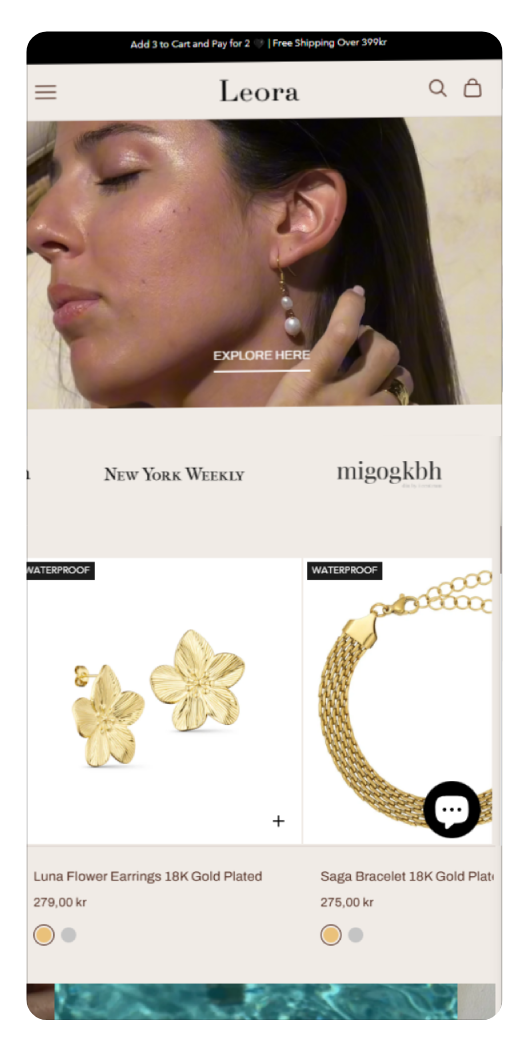





Why D2C Brands Prefer Shopify for eCommerce Expansion
Direct-to-consumer (D2C) brands have rapidly reshaped modern retail by bypassing intermediaries and building direct relationships with their customers. As competition intensifies, the need for a scalable, flexible, and conversion-focused eCommerce platform becomes critical. Shopify has emerged as the preferred choice for D2C brands globally — not just for launching, but for scaling into new markets.
Below are the key reasons why Shopify continues to dominate the D2C space.
1. Fast Go-to-Market Launch Without Technical Barriers
D2C brands need to move quickly, especially during product launches, seasonal campaigns, and new category expansions. Shopify enables brands to set up storefronts without heavy engineering requirements.
Advantages include:
● No coding required for basic setup
● Large app ecosystem for quick integrations
● Easy theme customization
● Minimal infrastructure overhead
This shortens time to market and reduces early startup costs — a major benefit for new D2C founders.
2. Built-in Tools for Brand-First Storytelling
D2C businesses rely on brand identity and emotional connection. Shopify supports storytelling through:
● High-impact visuals
● Customizable product pages
● Landing pages for campaigns
● Rich content formats (blogs, video, UGC)
Brands can maintain premium design quality without compromising performance or usability.
3. Scalable Infrastructure for Growth
As D2C brands expand, they need a platform that can handle:
● Higher traffic
● Large product catalogs
● Multi-warehouse logistics
● International customers
Shopify is engineered for scalability and offers enterprise-grade performance even during viral promotions or high-traffic drops.
4. Flexible Apps & Integrations for Performance
Shopify’s ecosystem includes thousands of plug-and-play apps for:
● Subscriptions
● Loyalty & rewards
● Upsell/cross-sell automation
● Email & SMS marketing
● Review management
● Retargeting and remarketing
This allows D2C brands to experiment, optimize, and improve without building tools from scratch.
5. Strong Checkout & Payments Conversion
Checkout experience directly affects revenue. Shopify’s native checkout is one of the highest converting globally — boosted further by Shop Pay, which reduces friction with:
● One-click payment
● Saved customer profiles
● Biometric login
● Multi-currency support
For D2C brands relying on conversion efficiency, this creates an immediate impact on ROI.
6. Support for Subscription & Repeat Purchases
Repeat revenue is a cornerstone of D2C economics. Shopify supports:
● Subscription products
● Refill programs
● Memberships
● Bundling
● Loyalty programs
This boosts LTV (lifetime value) and reduces CAC dependency — two major scaling metrics for D2C success.
7. Built-In SEO & Marketing Tools
Shopify provides SEO-friendly architecture and native marketing tools for:
● Blogging
● Organic search visibility
● Social selling
● Email automation
● Funnel tracking
This helps brands attract and retain customers without fully relying on paid ads.

