

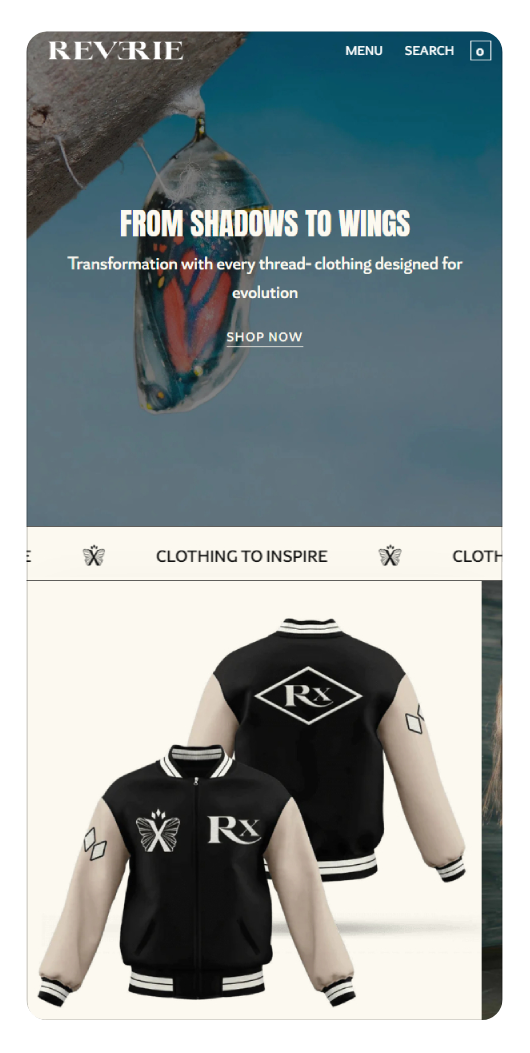












Top Shopify eCommerce Trends to Watch in 2026
The eCommerce landscape continues to evolve rapidly, and Shopify remains at the center of innovation for brands of all sizes. As we move through 2026, businesses are adopting new tools, smarter automation, and advanced personalization to stay competitive. Here are the top shopify trends redefining online retail this year.
1. AI-Driven Personalization & Customer Experience
Artificial Intelligence is no longer a luxury — it has become a growth engine for Shopify merchants. AI tools are helping stores deliver personalized product recommendations, dynamic pricing, upsells, and cross-sells based on shopper behavior.
What this means for brands:
● Improved customer experience
● Higher AOV (Average Order Value)
● Better retention & loyalty
● Reduced marketing waste
2. Headless Commerce for Performance & Flexibility
Headless commerce adoption is growing rapidly as brands seek faster storefronts and custom UX. Shopify’s Hydrogen & Oxygen frameworks make headless setups more accessible than before.
Benefits include:
● Superior page performance
● Custom creative storefronts
● Omnichannel scalability
● Faster development cycles
For growing brands, this architecture is becoming a competitive advantage.
3. Seamless Omni-Channel Selling
Modern shoppers interact with brands across multiple touchpoints — social, mobile, marketplaces, and in-store. Shopify now integrates deeply with platforms like TikTok, Meta, Amazon, Pinterest, and Instagram, enabling unified selling.
Key trends:
● Social checkout
● Unified inventory sync
● Consistent branding across channels
● Offline + online shopping experiences
4. Subscription & Membership Models
Recurring revenue is booming, especially for beauty, nutrition, pet, health, and lifestyle categories. Shopify apps make it easier to launch subscriptions, bundles, and refill programs.
Why brands are shifting:
● Predictable monthly revenue
● Improved customer lifetime value
● Lower acquisition costs over time
5. Sustainable & Ethical Commerce
Consumers are more conscious about environmental impact and brand values. Shopify merchants are integrating:
● Carbon offset options
● Sustainable packaging information
● Transparent sourcing pages
Brands that value sustainability are seeing stronger loyalty among younger shoppers.
6. Faster Mobile Shopping Experience
With mobile commerce dominating, Shopify merchants are optimizing for speed and UX through:
● Progressive Web Apps (PWAs)
● Lightweight themes
● Faster checkout flows
● Auto-fill and express payment options
Speed remains directly tied to conversion rates in 2026.
7. Shop Pay & Next-Gen Checkout Enhancements
Shopify continues enhancing Shop Pay, making it one of the highest-converting checkout experiences globally. With biometric login, saved cards, and one-click payments, checkout friction is dropping significantly.
Result for merchants:
● Higher checkout completion rates
● Lower cart abandonment
● Faster repeat purchases
8. AI-Generated Content & Automated Marketing
Content creation for product descriptions, ads, SEO, and blogs is becoming automated using AI marketing tools directly integrated with Shopify.
This helps brands:
● Scale content faster
● Maintain SEO output
● Reduce content costs
AI chatbots are also improving customer support experiences in real time.
9. Global Commerce Expansion & Cross-Border Selling
Shopify Markets makes it easier for brands to sell internationally with:
● Localized pricing
● Multi-currency & multi-language stores
● Local tax & compliance support
This is accelerating D2C global expansion in 2026.
10. Data-Driven Decision Making
With rising ad costs, tracking accuracy matters more than ever. Shopify analytics tools provide insights for:
● CAC (Customer Acquisition Cost)
● CLV (Customer Lifetime Value)
● Product performance metrics
● Funnel optimization
Brands that make decisions based on data instead of intuition are scaling faster.
Final Thoughts
2026 is shaping up to be a transformative year for Shopify merchants. From AI personalization to headless commerce and global expansion, brands that embrace these trends will stay competitive and drive growth more efficiently

